
A journey of transformation
How porcelain becomes
something you live with quietly.
Six unhurried stages, one pair of hands, and two passes through fire.
Clay to porcelain
It begins with clay, is shaped by hand, and finds its soul in fire.
Six stages
From soft porcelain to fired glass.
01
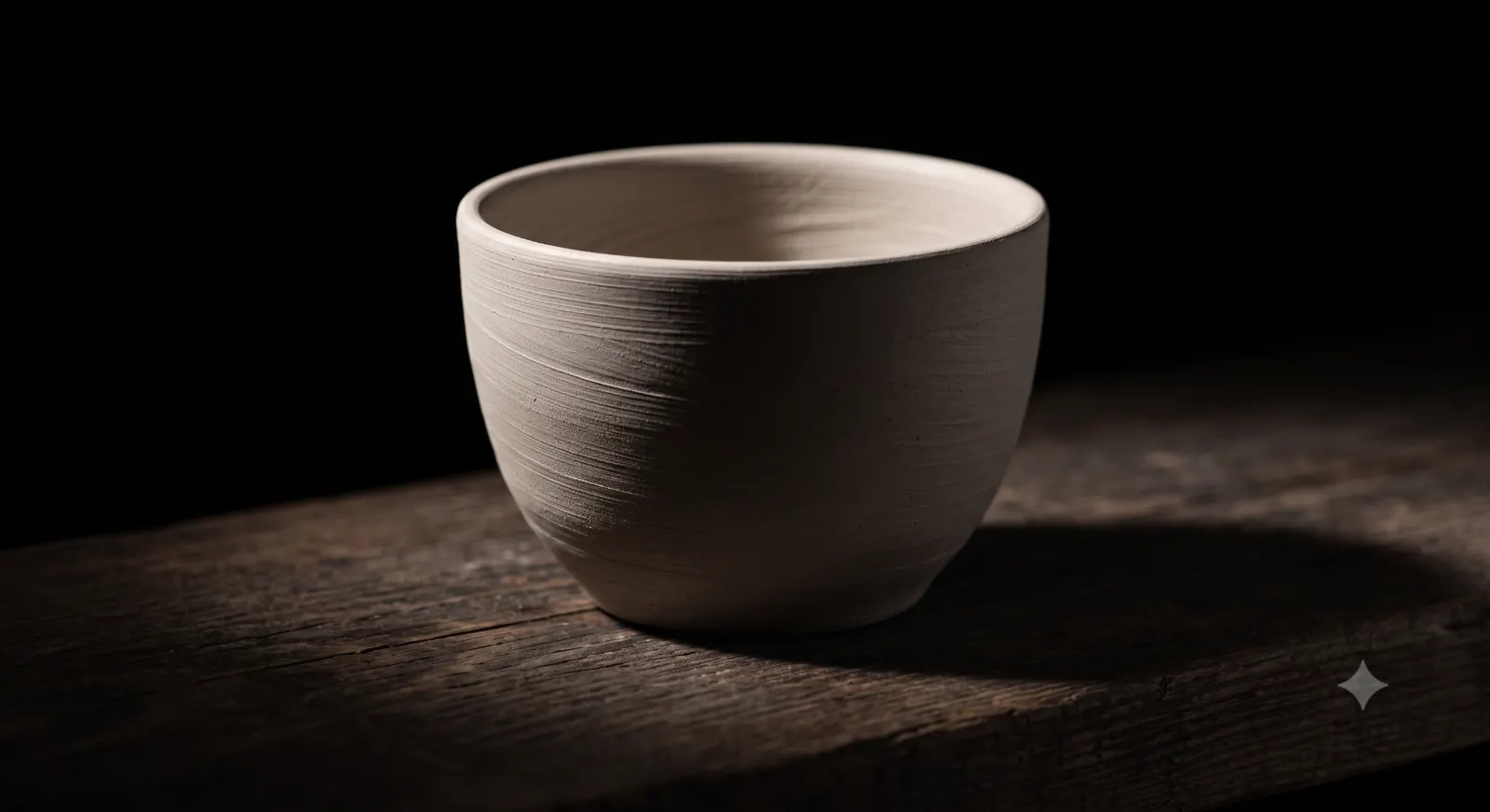
Preparing the clay
Every piece begins with wedging — pressing and folding the porcelain by hand to release air and align its structure. Slow, physical work that sets the tone for everything to come.
02
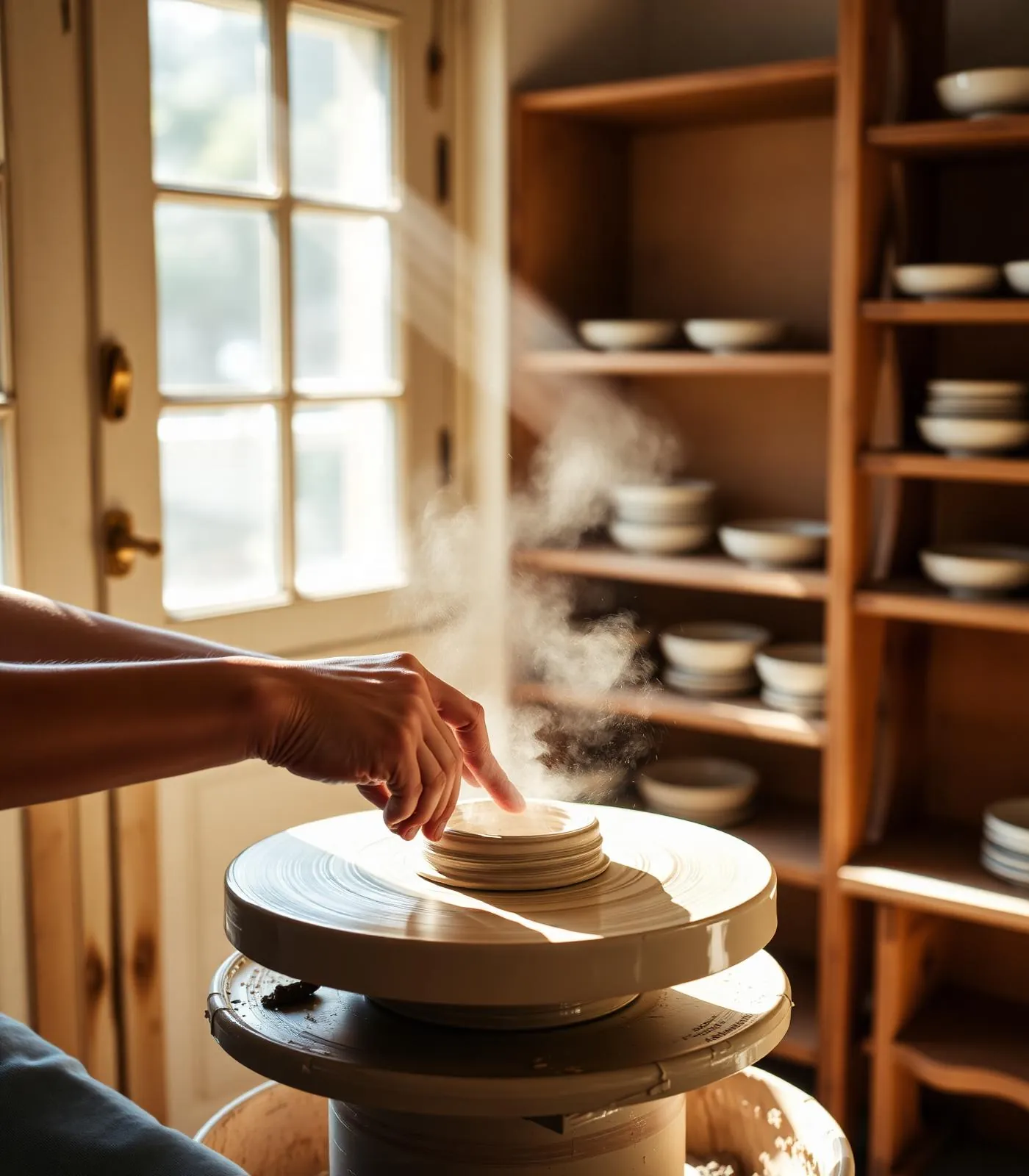
Hand-building
Shaped entirely by hand rather than on the wheel, each form rises slowly from a single mass of porcelain — carrying the honest marks of the maker.
03
Resting
The greenware rests, sometimes for days, letting moisture leave slowly. Rushed drying cracks the piece — patience is part of the recipe.
04
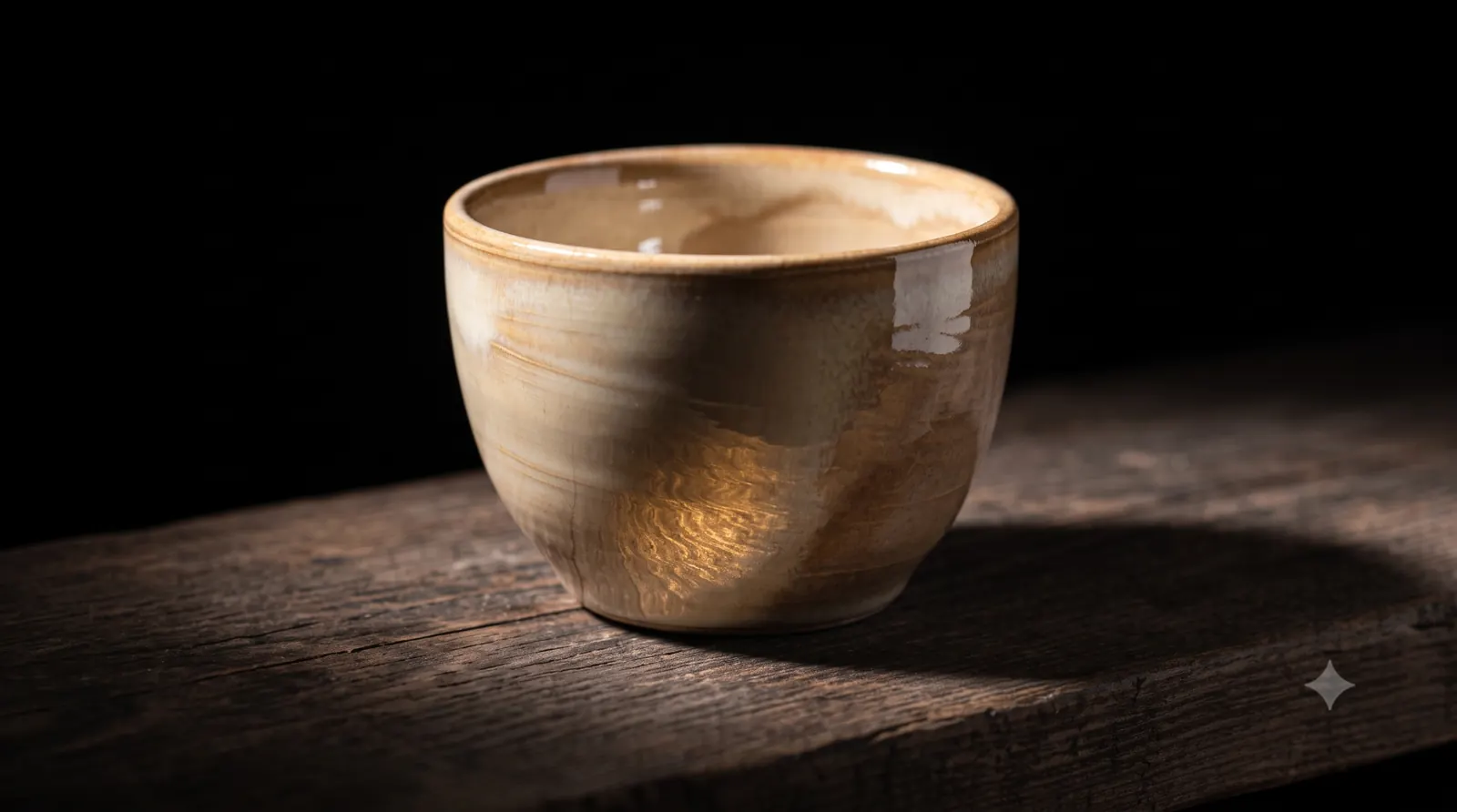
First firing
A first pass through the kiln at around 980°C hardens the porcelain into porous bisqueware — ready to receive glaze without falling apart.
05
Glazing
Each piece is dipped, poured, or brushed with a glaze mixed in small batches. The finished color is invisible now — it only appears in fire.
06
The final fire
A second, hotter firing near 1260°C vitrifies the porcelain and melts the glaze into glass. What comes out of the kiln is quiet, warm, and ready to hold.
“I don't design the piece. The porcelain and the fire have as much say as I do — I just keep the conversation going.”
— Pelin Şahin, Bellucci Atelier
Bring a piece home.
Every object in the catalog has passed through each of these stages, entirely by hand.